Choosing Between Individual Snack Wraps and Pack-Your-Own Boxes
When hunger strikes between meals, having something on hand can make the difference between a sensible snack and a vending-machine impulse grab. Two common approaches are pre-packaged single-serve snacks and homemade snack boxes you put together yourself. Each has its own strengths, and the right choice often depends on where you are, how long the snack needs to last, and how much control you want over what you eat.
For anyone who keeps portable stroopwafels in a backpack or desk drawer, the question of packaging matters. A soft, chewy stroopwafel that stays fresh without crumbling is a different proposition from a fragile cracker or a chocolate bar that melts. Understanding how wrapping affects freshness, portability, and portion size helps you pick the method that fits your routine.
What Each Option Offers
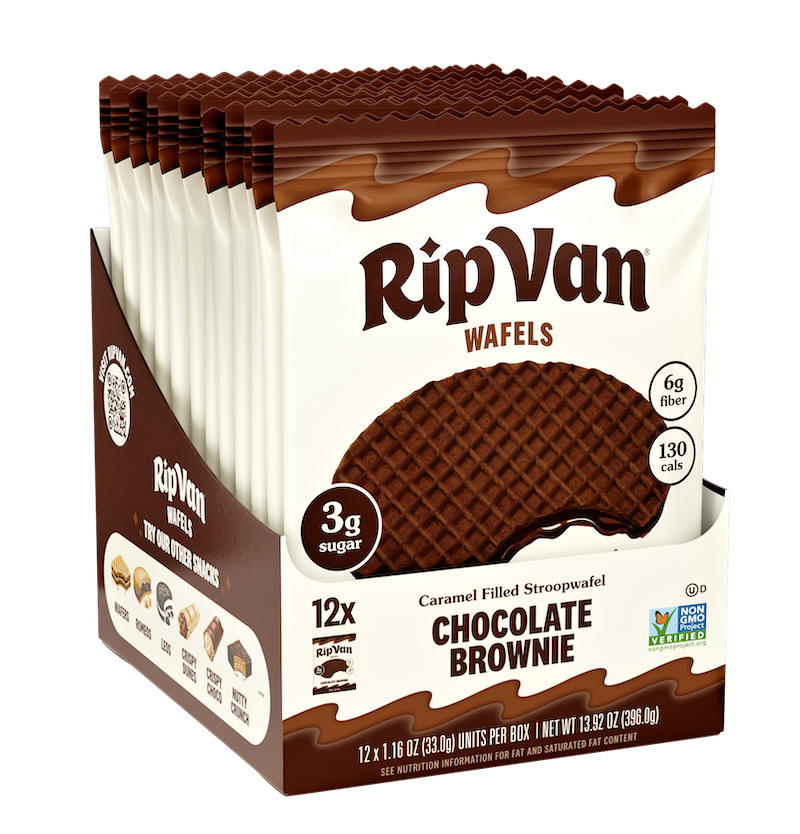
Pre-packaged snacks come sealed in their own wrapper, often one per serving. That wrapper protects the food from air, moisture, and minor bumps inside a bag or lunch bag. It also gives you a clear stopping point: eat one, and the rest stay untouched. This makes them a natural fit for situations where you want a quick bite without thinking about quantities.
Homemade snack boxes, on the other hand, let you combine several items in one container. You might fill a small box with a stroopwafel, a handful of nuts, some dried fruit, and a piece of cheese. The variety can be more satisfying, and you control exactly what goes in. But the box itself needs to be sturdy enough to protect its contents, and foods with different textures or moisture levels may not keep well together.
Portability and Shelf Stability
A single-serve wrapper is designed for rough treatment. It can sit in a backpack for days without losing its seal. For someone who keeps a snack stash at the office or in a car, that durability is a real advantage. The wrapper also blocks light and air, which helps maintain texture and flavor longer than an opened container.
Homemade boxes require a bit more planning. The container must be clean and close securely. Items that release moisture, like cut fruit or moist cheese, can soften dry items like wafers or crackers if they sit together too long. If you prepare the box the night before and eat it the next day, that is usually fine. But if you want a snack that stays good for a week, pre-wrapped options have the edge.
Shelf stability matters most for snacks that live in places without climate control. A car parked in the sun can get hot enough to melt chocolate or soften a wafer's filling. Pre-packaged snacks are often formulated to handle wider temperature swings, though you should still check the label for storage guidance. Homemade boxes work best when you can keep them cool and eat them within a day or two.
Portion Control and Mindful Eating
One of the strongest arguments for pre-wrapped snacks is portion control. The wrapper defines a single serving, and that visual cue helps many people stop after one. This is especially useful when you are distracted, working at a desk, or driving on a road trip. You do not have to count out pieces or guess how much is enough.
Homemade boxes give you more freedom, but that freedom requires judgment. It is easy to pack too much, or to pick items that do not balance well. If you are trying to manage your intake, a small box with compartments can help. Fill each compartment with one reasonable portion, and the box becomes its own portion guide. The effort is in the preparation, not in the moment of eating.
For some people, the ritual of opening a wrapper is part of the snack experience. For others, unwrapping several individual items feels wasteful and slow. Your personal preference plays a role, and there is no wrong answer as long as the snack suits your needs.
Waste and Convenience Trade-Offs
Pre-packaged snacks generate more packaging waste per serving. Each wrapper is a single-use item that must be disposed of. If you eat one every day, that adds up over a year. Some wrappers are recyclable, but many are not, and recycling rates vary by location.
Homemade boxes use a reusable container. Wash it between uses, and the only waste is whatever food scraps remain. That is a clear environmental advantage, especially if you use the same box for months or years. The trade-off is the time spent washing and packing. For someone with a busy morning, that extra few minutes can be a real barrier.
There is also the question of variety. A pre-packaged snack is whatever the manufacturer put in the wrapper. If you want a different flavor or combination, you have to buy a different product. With a homemade box, you can change the contents every day based on what you have in the kitchen. That flexibility is hard to beat.
When Pre-Wrapped Snacks Work Best
Pre-wrapped snacks shine in situations where convenience and durability are top priorities. Think of a long hike, a day at a theme park, or a work trip where you will not have access to a kitchen. The individually wrapped snacks can be tossed into a bag without worry, and they will still be edible hours or days later. They also work well for children who may not handle a reusable box carefully.
If you are someone who tends to grab whatever is closest when hunger strikes, having a stash of pre-wrapped options can help you avoid less healthy choices. The wrapper itself acts as a brake, giving you a moment to decide if you really want to eat. That small pause can be surprisingly effective.
When Homemade Boxes Have the Edge
Homemade snack boxes are ideal when you have a little time to prepare and want to control exactly what you eat. They are great for a desk drawer at work, where you can refill the box each morning and keep it cool in an office fridge. They also work well for a road trip if you pack them just before you leave and eat them the first day.
Variety is another big reason to go homemade. You can pair a stroopwafel with an apple and some cheese for a balanced mini-meal, or keep things simple with just a wafer and a handful of almonds. The combination is yours to decide, and you can adjust it based on your appetite that day.
For people who are trying to reduce single-use waste, a homemade box is a straightforward step. The container can be a simple plastic or metal box, and it will last for years. The only cost is the few minutes it takes to wash and repack.
Making the Choice That Fits Your Day
There is no single right answer. Many people keep both options available, reaching for a pre-wrapped snack when they are in a hurry and packing a homemade box when they have time to plan. The key is to think about where the snack will go, how long it needs to stay fresh, and how much effort you want to put into preparation.
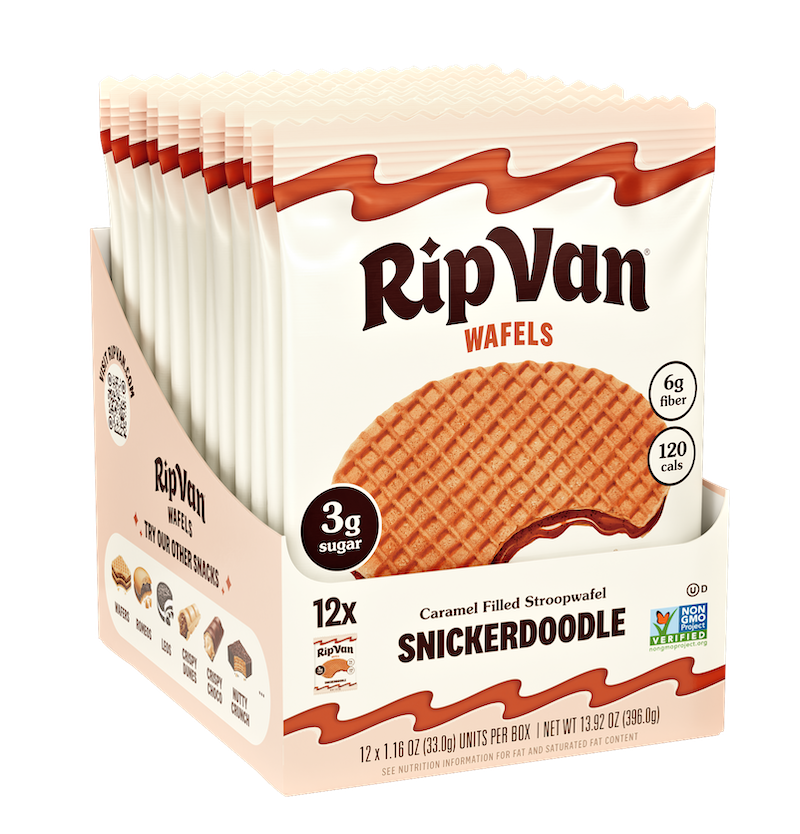
If you regularly carry portable stroopwafels, you might find that pre-wrapped ones work best for your bag or car, while homemade boxes let you enjoy them alongside other foods at your desk. The two approaches complement each other, and having both means you are never caught without a good option when hunger hits.
Whatever method you choose, the goal is the same: a satisfying snack that fits your day without extra fuss. Pay attention to how each approach feels in practice, and adjust as your routine changes. The best snack is the one you actually have with you when you need it.